What Are Category Entry Points (CEPs)?
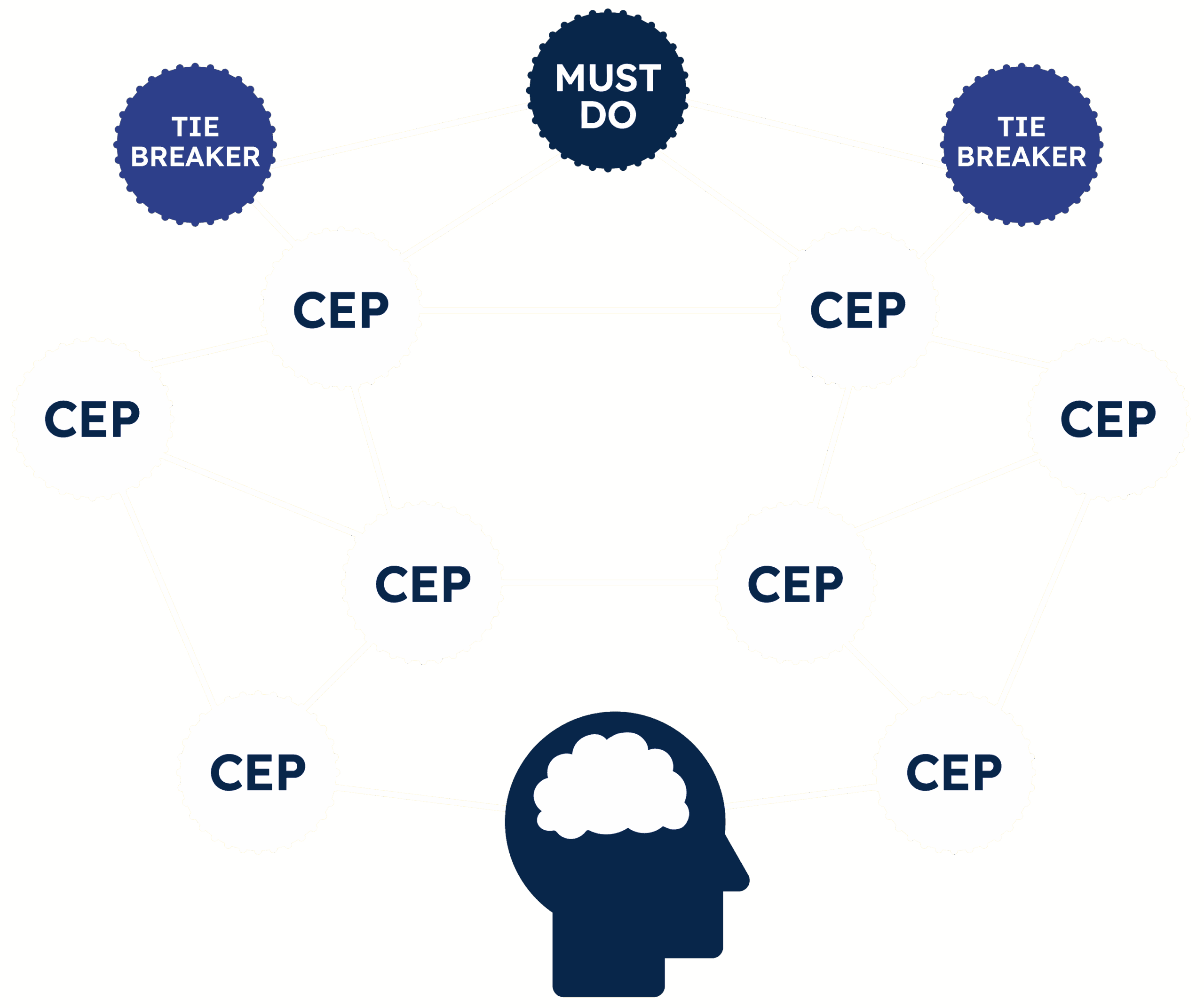
Category Entry Points (CEPs) are the cues buyers use to enter the category and retrieve brands from memory.
Examples of Category Entry Points.
- Occasions (hosting, gifting, weekends)
- Needs (convenience, reassurance, indulgence)
- Problems (time pressure, uncertainty, running out)
- Emotional triggers (reward, stress, responsibility)
How SmilingCFO brings clarity.
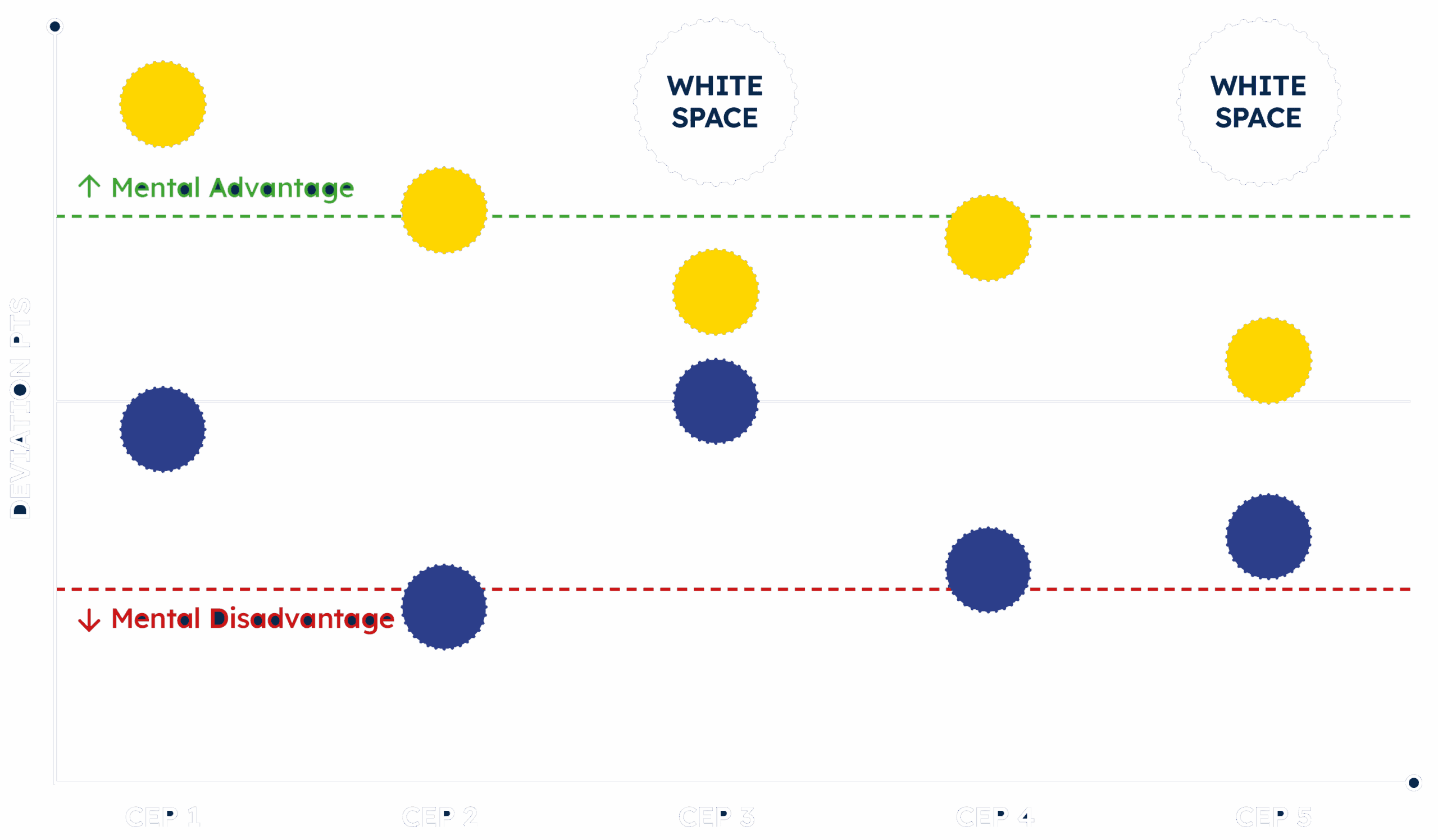
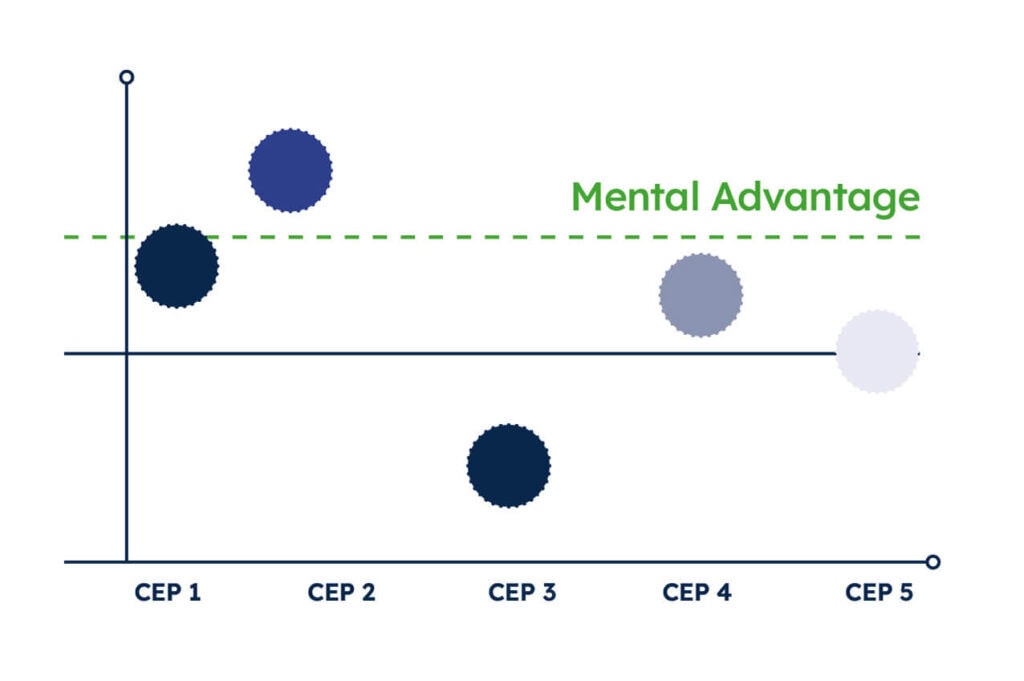
- A CEP-by-CEP “mental advantage” map showing exactly where your brand is over or under recalled versus competitors
- Clear competitive diagnostics: which CEPs you currently win, which you lose, and which are effectively “owned” by others
- White space identification: high-value CEPs where no brand has a strong advantage
Frequently asked questions.
What are Category Entry Points (CEPs)?
Situational and personal context that triggers category entry and brand retrieval from memory. These cues include needs, motivations and occasions.
Why do Category Entry Points matter for growth?
Being linked to more CEPs increases how often your brand is retrieved and considered.
How many Category Entry Points should a brand focus on?
In the SmilingCFO database, buyers who link a brand to 6+ CEPs are materially more likely to purchase.
Do CEPs replace segmentation?
No. CEPs complement segmentation by focusing on the demand cues that occur across buyers and buying moments.
Related Blogs
Using Category Entry Points to Spot New Growth Opportunities.
If you’re responsible for brand strategy, one of the most…
CEPs Help Create Consistent Customer Experiences
From screen to store, and every step in between, Category…
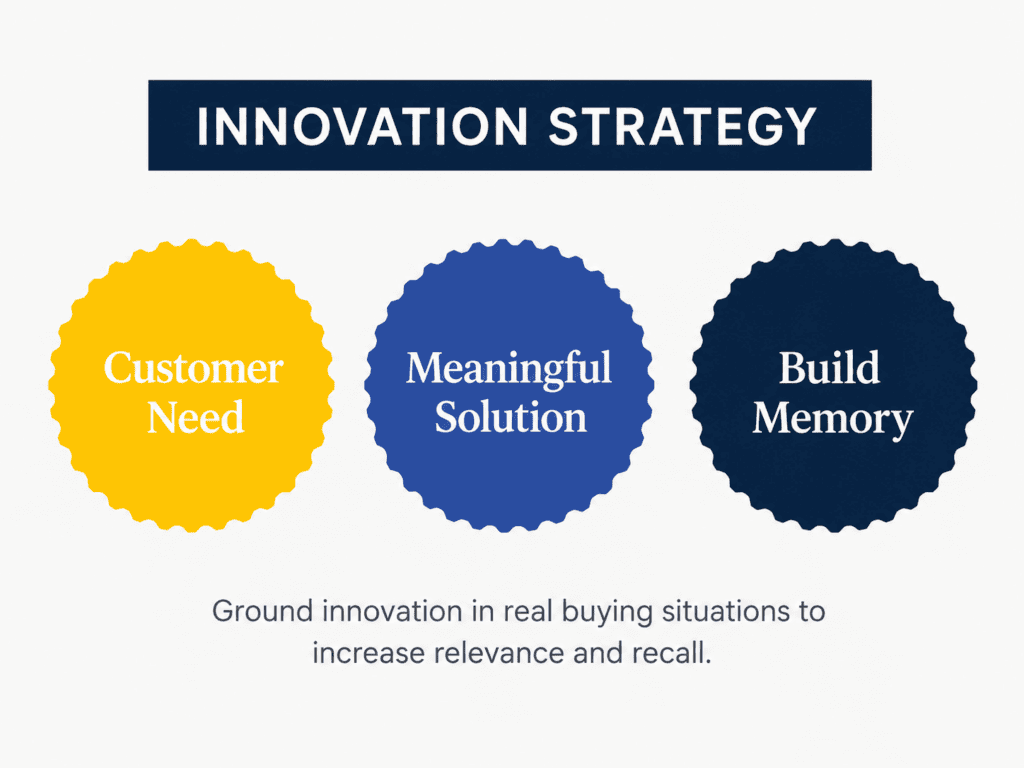
CEPs: The Secret to Smarter, More Successful Innovation
Without a deep understanding of the situations, needs, and cues…
Quickly discover what’s stopping your brand showing up across multiple buying situations and staying
Quickly discover what’s stopping your brand showing up across multiple buying situations and staying top-of-mind.
top-of-mind