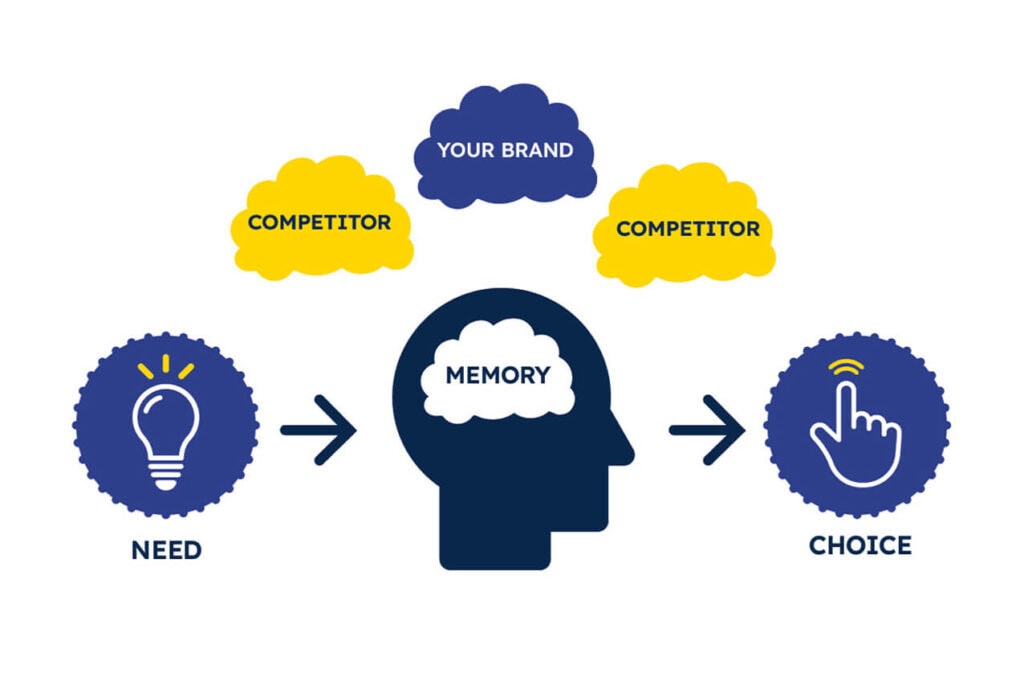
Category Entry Points (CEPs) provide the missing link that helps explain, and reduce, the high rate of innovation failure.
Research consistently shows that new product development (NPD) is high risk, with most innovations never achieving lasting success. NielsenIQ reports that as many as 80–85% of product launches fail within their first year, citing poor product differentiation and weak alignment with consumer needs as primary causes.
Similarly, McKinsey found that around 70% of new products underperform, often because companies focus too heavily on internal ideas or technological possibilities rather than grounding innovation in real-world buying contexts.
Without a deep understanding of the situations, needs, and cues that drive consumer choice, even technically strong products can fail to gain traction.
This is precisely where CEPs provide value.
By identifying the occasions and triggers consumers actually use when making decisions, CEPs give innovation teams a sharper lens for selecting and prioritising ideas. Instead of building products that answer questions nobody is asking, brands can design innovations that slot seamlessly into buying contexts that already exist.
Why CEPs Improve Innovation Success
Innovations designed with CEPs in mind are likely to have a higher chance of success. By aligning new products with the cues and contexts that drive buying behaviour, brands increase the likelihood that their innovations will be recalled at the moment of need. This makes innovations more relevant, more retrievable, and ultimately more likely to gain traction in the market.
At the same time, building innovations around CEPs strengthens a brand’s mental availability. Each new association created through innovation adds another link in the consumer’s memory network, making the brand easier to recall across a wider set of occasions. Over time, this cumulative effect significantly increases the probability of the brand being chosen in more buying situations.
It is possible to track this by measuring ‘Network Size’, a metric introduced by Jenni Romaniuk , that calculates the average number of brand associations made by a buyer of the category. The SmilingCFO database shows that brands with high Network Size have higher penetration than those brands with low Network Size.
CEPs also help organisations make smarter choices about resource allocation. Rather than pursuing a scattergun approach, chasing ideas that may not connect to consumer behaviour, brands can use CEP analysis to filter and prioritise opportunities. This ensures that investment is channelled towards the most valuable associations; the ones with the greatest potential to influence buying decisions.
Finally, CEPs provide the backbone of an integrated strategy. From portfolio planning and positioning, through to launch activation and even AI visibility, CEPs offer continuity.
CEPs Bridge the Gap Between Insight and Execution
One of the common innovation challenges is that insights often remain at too high a level to guide practical decisions. Knowing that consumers “want healthier options” or “seek convenience” can spark broad ideas, but it does not tell teams what to build, how to frame it, or where to focus resources. CEPs make insights actionable by linking motivations to real-world contexts and cues.
For example, a consumer may want a healthier snack but the CEP clarifies that the buying moment is “when rushing between meetings.” That level of specificity directly shapes formulation, packaging, distribution, and communication choices. It turns abstract consumer needs into concrete innovation briefs that teams can execute against.
Clayton Christensen, in The Innovator’s Dilemma and Competing Against Luck, argues that successful innovations solve “jobs to be done”: the real-world problems consumers want to resolve in specific contexts. CEPs map out those contexts and provide the practical hooks that ensure an innovation is retrievable when the consumer has a particular need and wants to progress quickly to the solution so they can get on with their lives.
Balancing Short and Long Term
Binet & Field’s Media in Focus, reminds us that brand growth depends on balancing long-term brand building with short-term sales activation. The same principle applies to innovation. For a new product to succeed, it must not only generate short-term trial but also build lasting mental availability so it is easily recalled across buying situations. This is where Category Entry Points matter: by linking innovations to the contexts that drive consumer choice, brands ensure their innovations go beyond achieving a quick sales spike, creating enduring memory structures that sustain growth over time.

Beyond Products: How CEPs Shape Broader Innovation
While product design is the most obvious place to apply CEPs, their value extends much further. They influence how organisations approach services, experiences, and communication across the entire customer journey.
Service innovation: for example, “when the boiler breaks down late at night” shapes how emergency response offerings are designed and delivered.
Packaging innovation: for example, “when needing a resealable option on the go” guides the design of convenient, portable pack formats.
Portfolio innovation: ensures each brand covers distinct occasions, reducing overlap and minimising cannibalisation.
Communication innovation: for example, “when searching for inspiration late at night” informs the timing and tone of digital campaigns.
By applying CEP thinking beyond products, businesses can create stronger alignment across every consumer touchpoint, ensuring that all forms of innovation connect to the real contexts that drive behaviour.
Ready to Test Your Innovation Ideas Using CEPs?
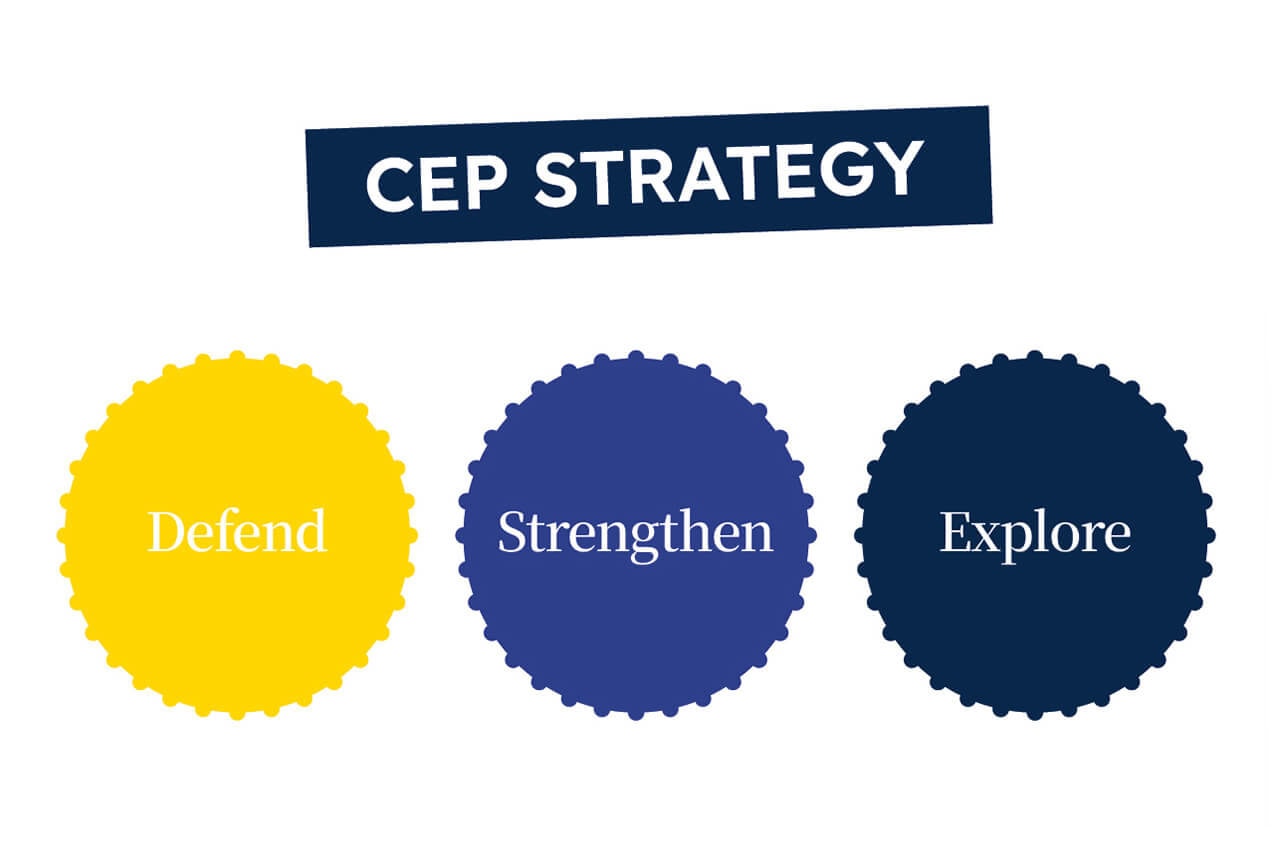
At SmilingCFO, we help organisations apply CEPs to innovation pipelines. Our Mental Availability Assessments and CEP mapping guide ideation, prioritisation, and portfolio planning so that new ideas are anchored in real consumer contexts
We provide clarity on:
- which CEPs each brand should own
- which ones to step back from
- where white spaces exist for growth
Innovation doesn’t have to be a gamble, use CEPs to de-risk your pipeline and understand where the real opportunities lie.
References
NielsenIQ, The Value of Failures in the World of SMB, 2022.
McKinsey & Company, The New Growth Game, 2016.
and Eight Lessons on How to Get the Growth You Planned, 2017.
Jenni Romaniuk, Better Brand Health 2023 https://marketingscience.info/better-brand-health/
Binet, L. & Field, P., Media in Focus: Marketing Effectiveness in the Digital Era, IPA, 2017.
Take the Mental Availability Review
https://mentalavailability.smilingcfo.co.uk
This free review assesses how well placed your brand and organisation is to win the Mental Availability battle.